
AI Occupational Exposure score unavailable For more insight, research the specific tasks and skills required for the role.
Explore all careers
A Resource Economist evaluates the economic aspects of natural resources, conducting studies and providing recommendations for sustainable management and allocation.
Get qualified to work as a Resource Economist with a course recognised across Australia. Speak to a training provider to learn more.

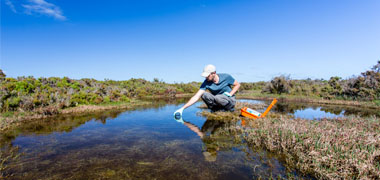
A Resource Economist analyses the economic aspects of natural resources to guide their sustainable use and management. You might work in government agencies, research institutions, or private industry. Resource Economists focus on evaluating resource availability, demand, and economic impacts. You’ll conduct studies, develop models, and provide recommendations to optimise resource allocation and ensure environmental sustainability.
Resource Economists play a key role in balancing economic development with environmental conservation. You’ll need to be analytical and skilled in data interpretation, with a strong understanding of both economics and environmental science. You’ll collaborate with policymakers, industry stakeholders, and researchers to promote efficient and sustainable resource management.