AI Occupational Exposure score unavailable For more insight, research the specific tasks and skills required for the role.
Explore all careers
An Oceanographer studies the ocean's properties and processes, conducting research to advance marine knowledge and promote conservation efforts.
Get qualified to work as an Oceanographer with a course recognised across Australia. Speak to a training provider to learn more.

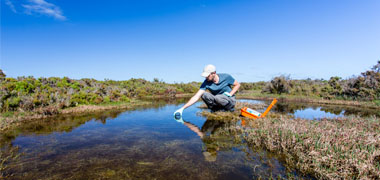
An Oceanographer studies the ocean’s physical, chemical, and biological properties to understand marine environments and their processes. You might work in research institutions, environmental agencies, or universities. Oceanographers focus on conducting field surveys, analysing data, and studying marine life, ocean currents, and climate interactions. You’ll use specialised equipment and technologies to gather information and contribute to ocean conservation efforts.
Oceanographers play a crucial role in advancing our knowledge of marine systems and addressing environmental challenges. You’ll need to be detail-oriented and analytical, with a strong background in marine science. You’ll collaborate with researchers and policymakers to promote sustainable practices and protect ocean ecosystems. Effective communication skills are essential for presenting research findings and advocating for marine conservation.